
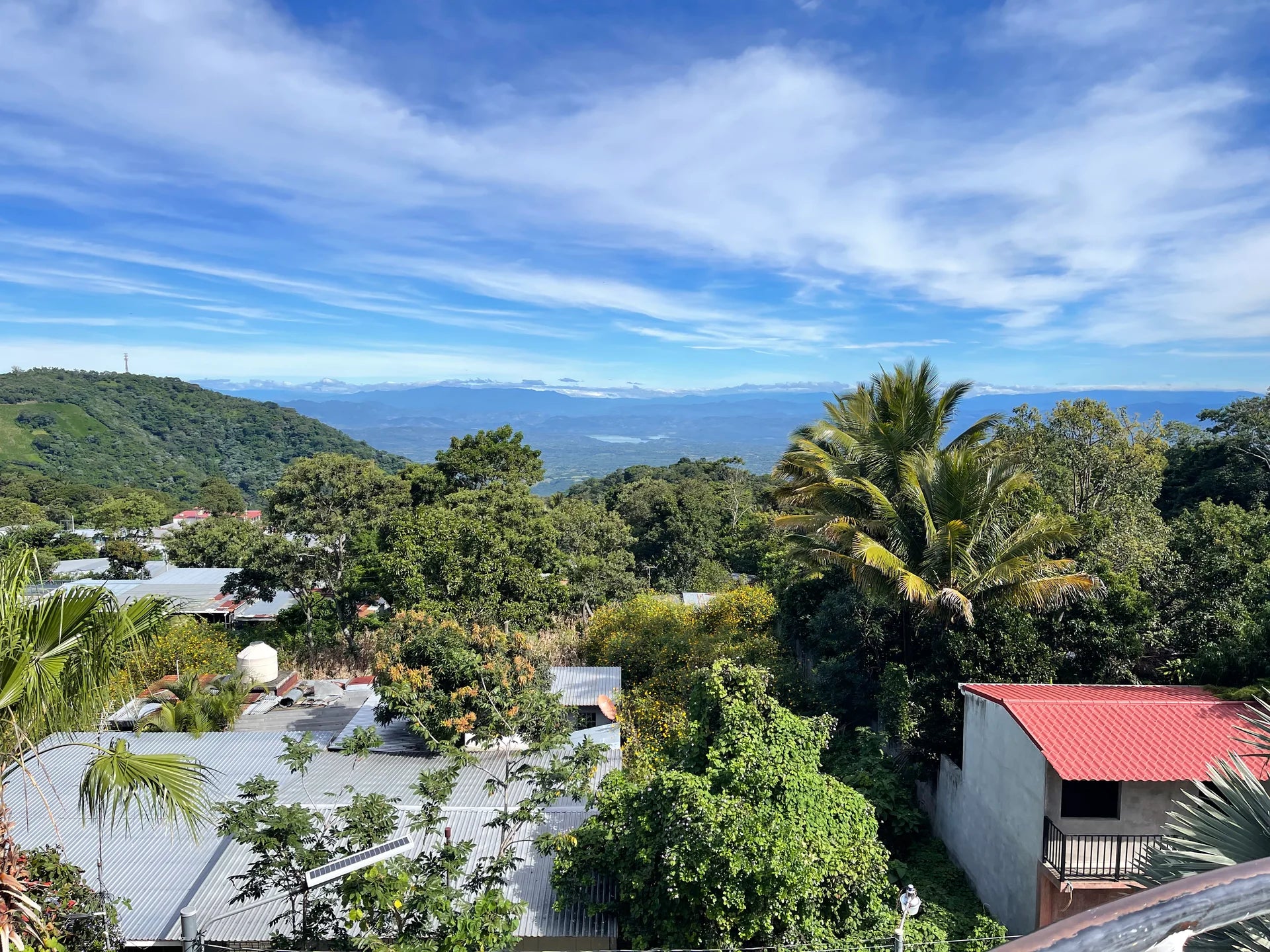
Origins
My family fled El Salvador in 1971.
They left during a time of violence and uncertainty. Then things began to change — in 2021, El Salvador became the first country in the world to make Bitcoin legal tender.
We weren’t looking for the next trend in specialty coffee. We were looking for something honest.
The search
That search led us to Berlín
A mountain town shaped by volcanic soil, cool air, and families who’ve been farming coffee for generations.
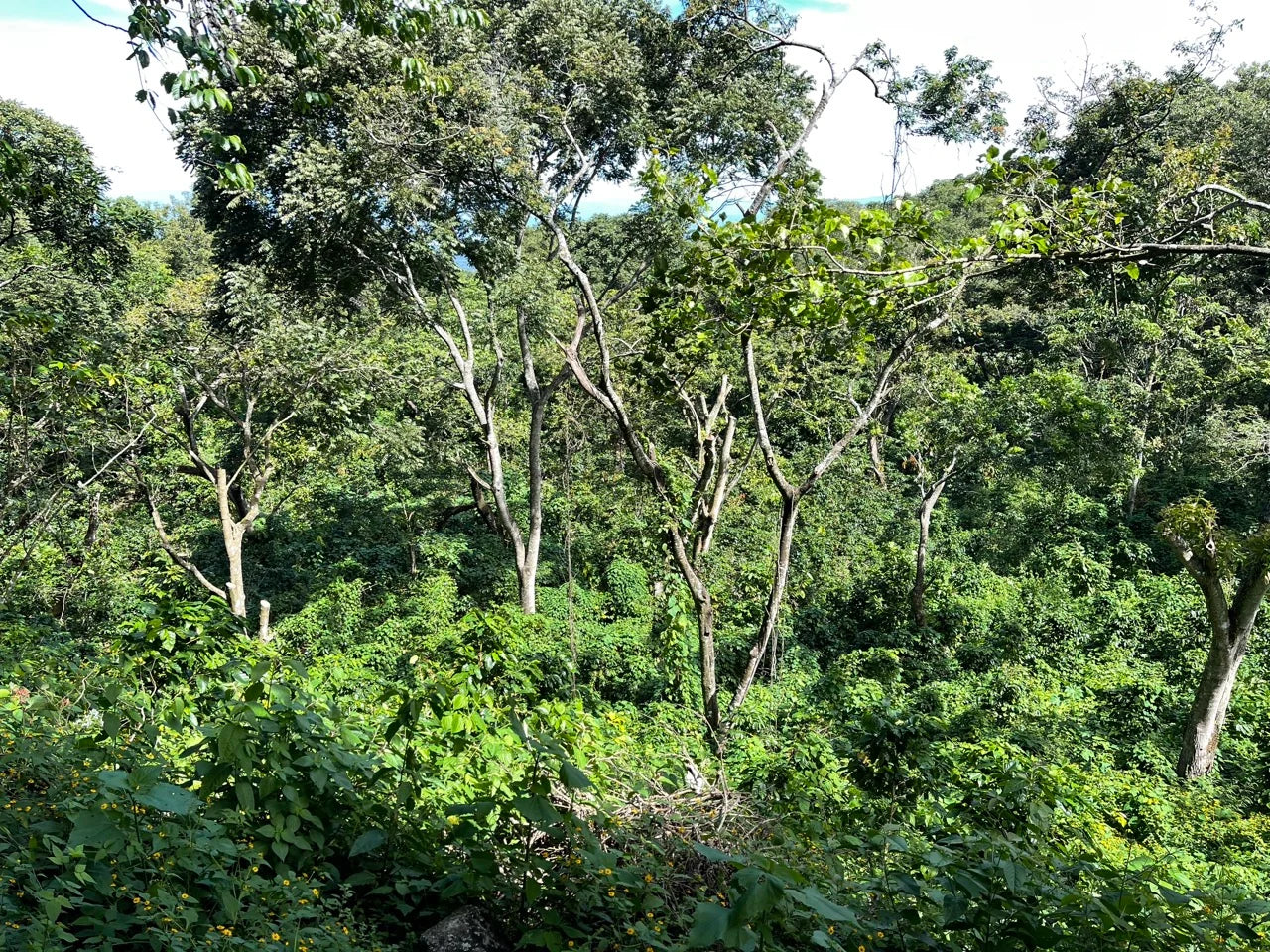
Berlín · Usulután
2021
A country rebuilding itself
We found a country that was not perfect or finished, but one that was genuinely trying to rebuild. Streets felt safer. Pride was returning. Communities were investing in their futures.
We were trying to understand the place our family had left behind.
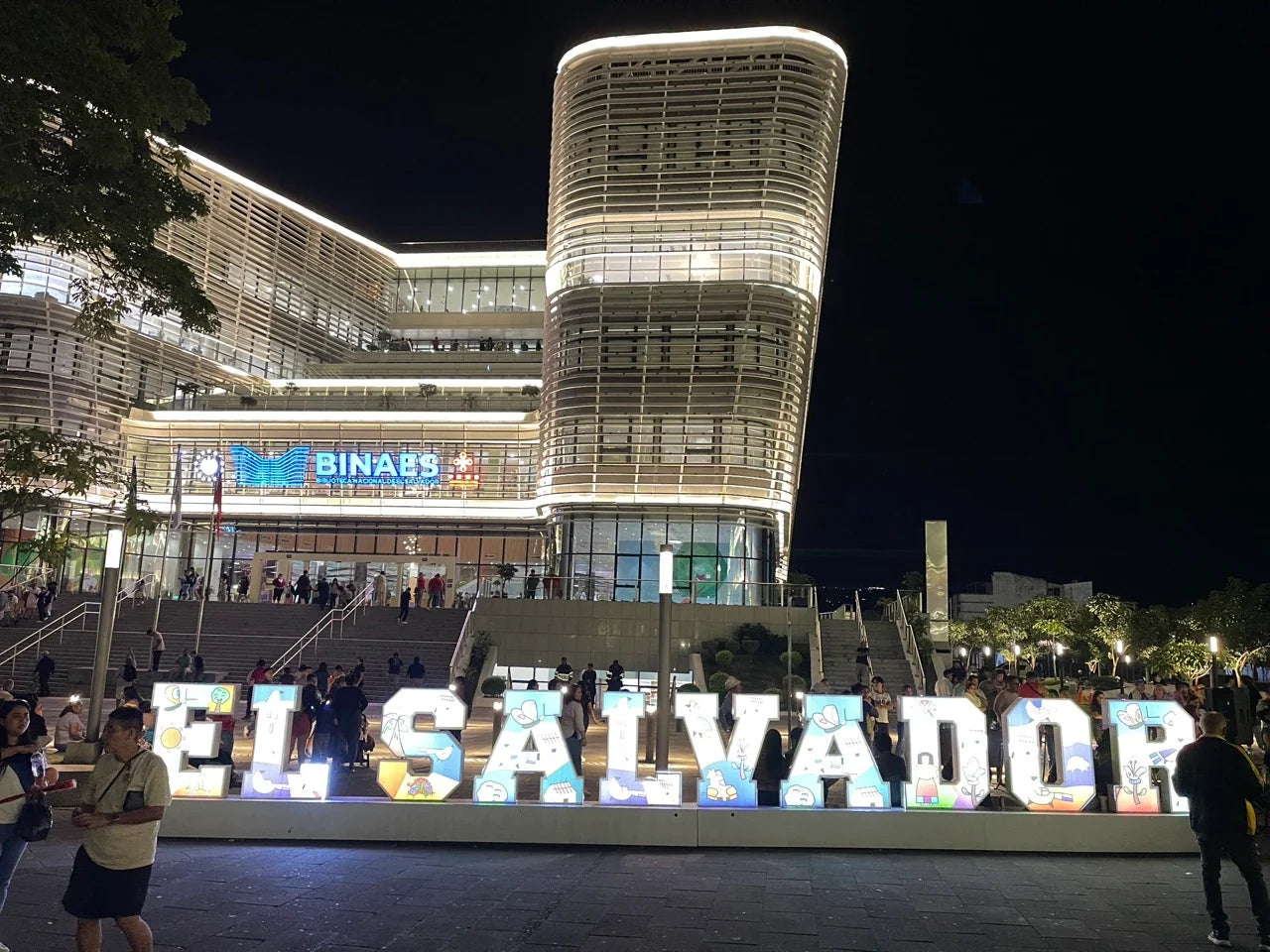
Bitcoin · Legal tender
New arrivals
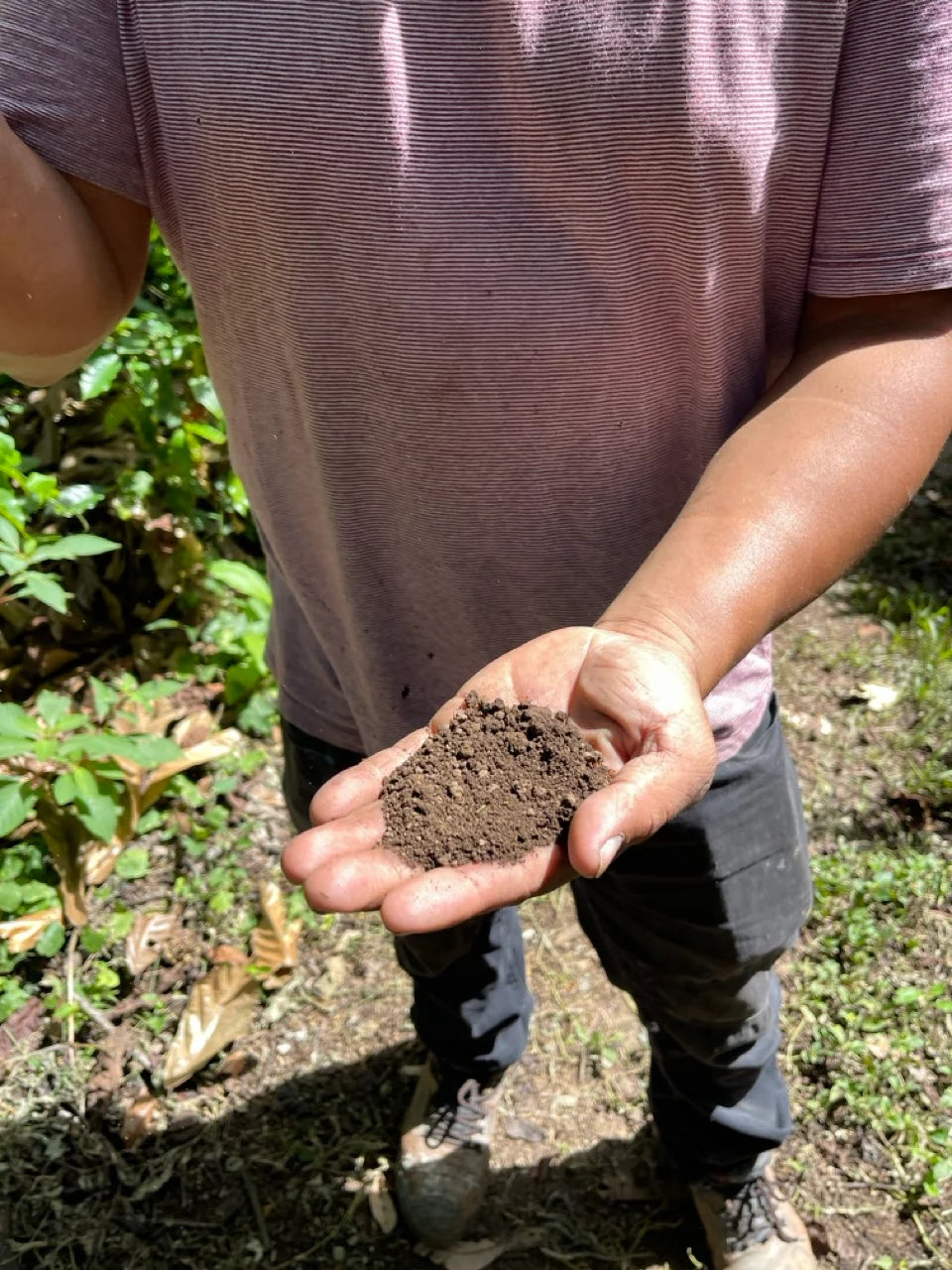


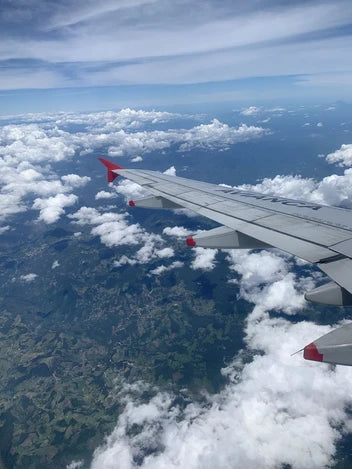
The town
A mountain town shaped by coffee
Here, coffee is more than a commodity. It is part of the landscape, the economy, and the identity of families who have worked this land for generations.
Coffee was once one of El Salvador’s greatest sources of pride. War and instability nearly destroyed that legacy. In Berlín, we saw it beginning to return.
The model
A better structure for trade
We source our beans through direct relationships, pay in Bitcoin, and return part of every sale to local Bitcoin learning centers supporting financial literacy, English education, and Bitcoin education.
- Sourcing
- Direct relationships
- Settlement
- Paid in Bitcoin
- Returned
- Part of every sale
- Supports
- Literacy · English · Bitcoin

The bag
One farm. One place. One story.
The finished bag is where the journey comes together.
Inside is coffee grown on one farm, in one stretch of volcanic highland, by people whose work deserves to remain visible in the final product.
Nothing blended in. Nothing optimized out. Nothing separated from its origin.
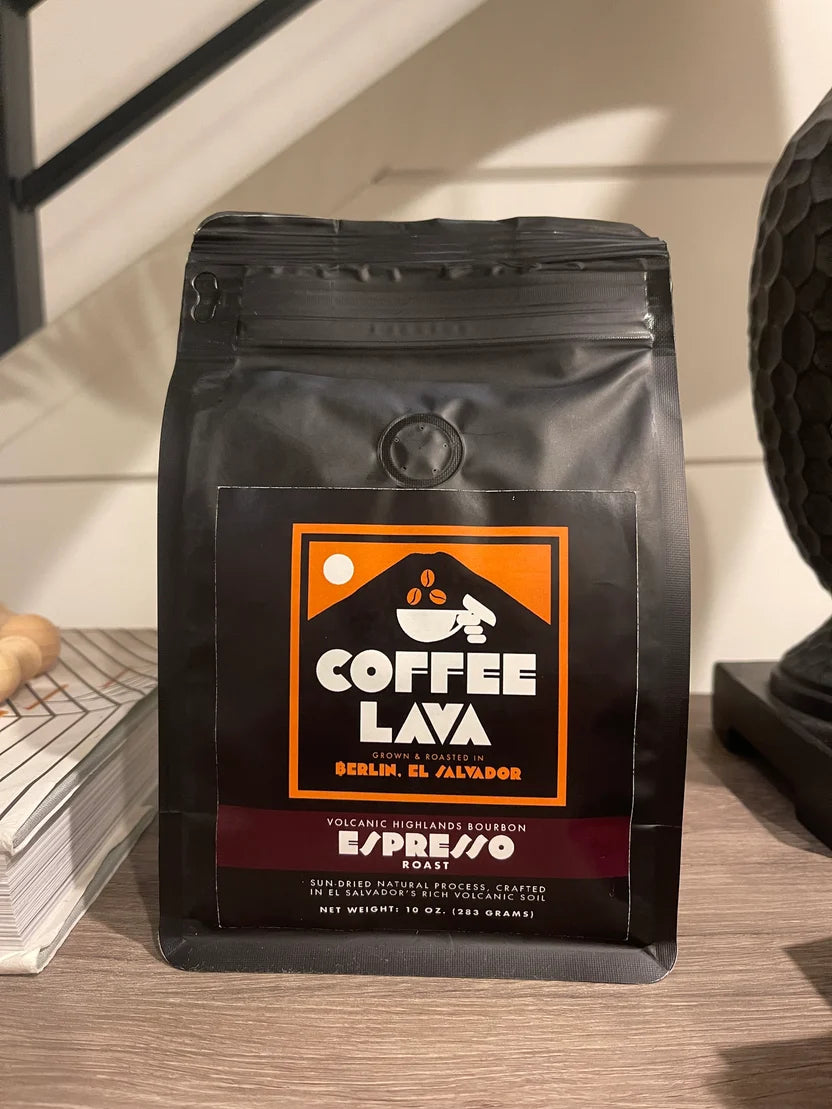
Single farm · Berlín
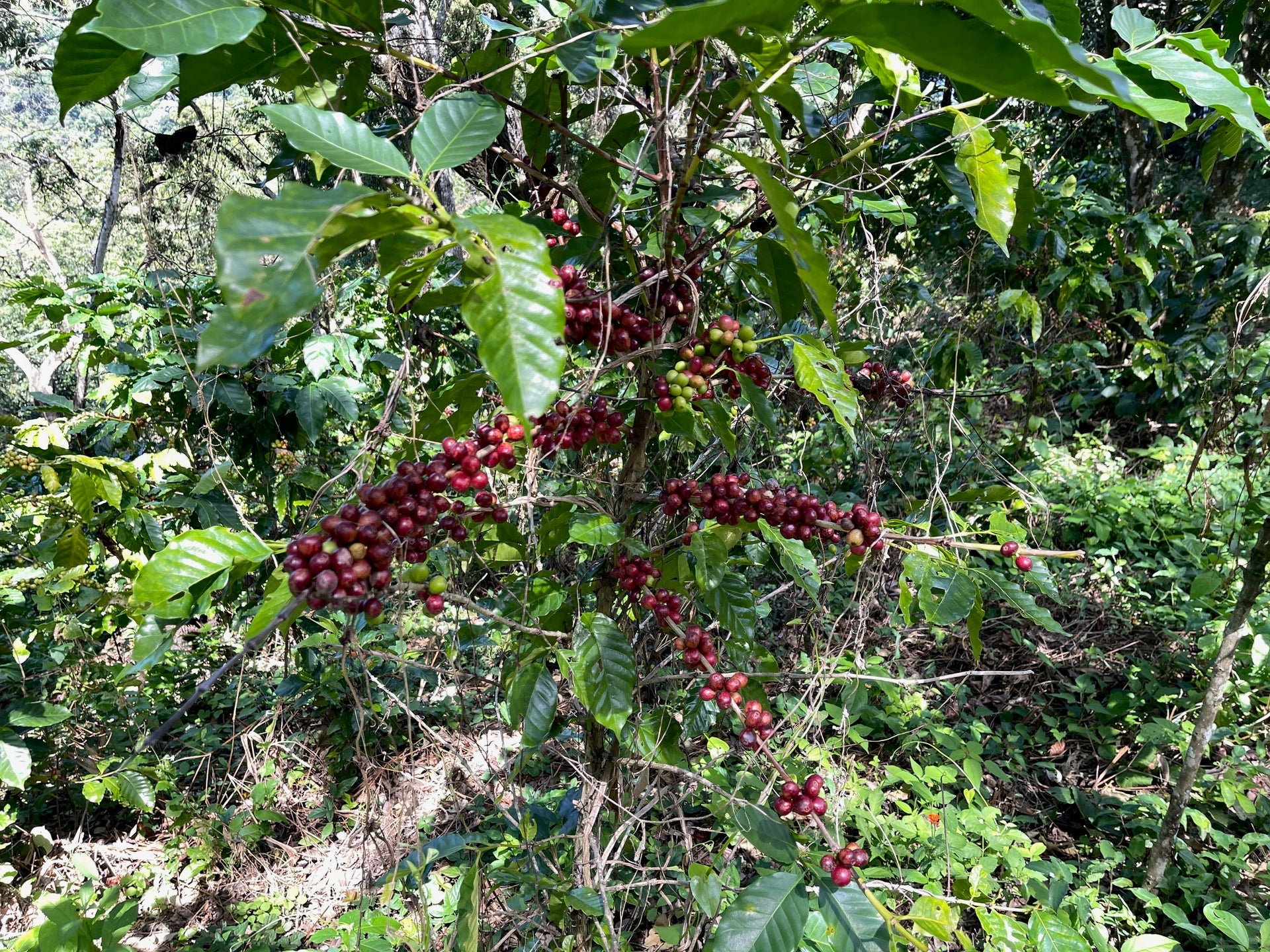
Nothing separated from
its origin.
One farm. One place. One story.